There is a way of talking about quiet piano music that has become almost automatic: fjords, snow, stillness, the north. Otto A. Totland has heard it, and does not accept it. Asked once whether the Norwegian landscape explains his records, he allowed that it was part of it and then declined to let it stand as the answer.
What is left when the scenery is taken away is more interesting, and harder. He does not read notation. He came to the piano from software and sequencers rather than from a conservatoire. He plays in Deaf Center with Erik Skodvin, where the register is darker and almost everything is improvised, and he records alone under his own name, where it is not. And he describes his own pieces not as things he wrote but as things he came across — sat down, played at random, and found.
That is an unusual claim, and it has a consequence he has thought about. If a piece is discovered rather than built, there may be no map back into it. One of his pieces is about exactly that.
We sent him twelve questions and asked him to take as long as he wanted. He took five weeks and answered every one of them, at length, and wrote — unprompted, in the covering note — that he writes slowly and struggles to give answers with confidence. Read them and see whether that reads like a man short of anything to say.
Found, not made
You’d rather call your pieces “discoveries rather than my own creations” — you sit and play something at random until a pattern reveals itself on the keys. If a piece is found rather than made, who do you feel found it? And does thinking of a piece as discovered, not owned, change how you treat it once it exists?
This is more of a philosophical question and I’m lost for an accurate answer. I get in “the zone” and the melody unfolds naturally at some point in the process. I fully “understand” my own music when it comes to expression, timing, pattern and so on. How it came to be is hard for me to remember exactly and explain. Maybe because I don’t feel I have full control of the outcome.
I do believe in a higher self / higher consciousness, but I’m not aware of channeling that. I take responsibility for my own creations and in that sense also “ownership”. I know that I was the first to present them in this reality, however that came to be.
When a discovery is complete
You start from “a seed”, a short idea that “leads the way” with no clear sense of where it will end. If you never planned a piece’s shape, how do you know when it is finished — what tells you a discovery is complete, rather than merely abandoned?
The same dilemma applies to all creative expressions. For me, it’s when there aren’t any notes to add or change (in my ears) — the melody is complete. When I have the repetitions and variations that feel just right, timing wise, the length is perfect.
I come to a point, with certain pieces, where I consider them complete. (Pinô, Solêr, Greiner, Anona and Companion as examples) The exceptions are pieces where I improvise. (North Way, Seveen, Rift, Neon Dawn and Enola as examples) They always stay more open for variations and changes.
Another explanation is that I have to consider them complete before recording them in the studio.
The fourth note of “Rose”
You keep what most players erase: you’ve said you want your takes to be “one shots” and then to “live with some mistakes”, and that the small accidents you let in often turn out to be the best parts. What can a kept mistake do for a piece that a corrected one never could? Is there a stray note on one of your records that you could not now imagine the piece without?
Yes, I have a very good example of that: The fourth note you hear on the piece “Rose”, on Companion, was initially a mistake. Now it’s essential for this piece. It is a little off but sounds perfect to me now.
Though other mistakes can haunt me afterwards. Like the piece “Tula” on the Lost album. I had some mistakes in that one that still annoy me today and I can’t get over it. So it can go both ways for me too.
Potentially, these “flaws” can make the overall atmosphere feel more vulnerable and authentic.
Now it’s essential for this piece. It is a little off but sounds perfect to me now.
Touching the keys with empathy
You once described playing “like it is something organic” — “touching the keys with empathy”, “like giving a massage or grooming a pet”. That is a startlingly tender way to describe it. Treated like that, does the instrument answer you back? What does the piano seem to want from you?
I believe that an “empathic touch” carries over into the sound. It softens it and makes it easier on the ears. Even though I don’t believe that the instrument is something conscious or alive; I handle it as if it is. For the sake of the expression.
Even though I don’t believe that the instrument is something conscious or alive; I handle it as if it is. For the sake of the expression.
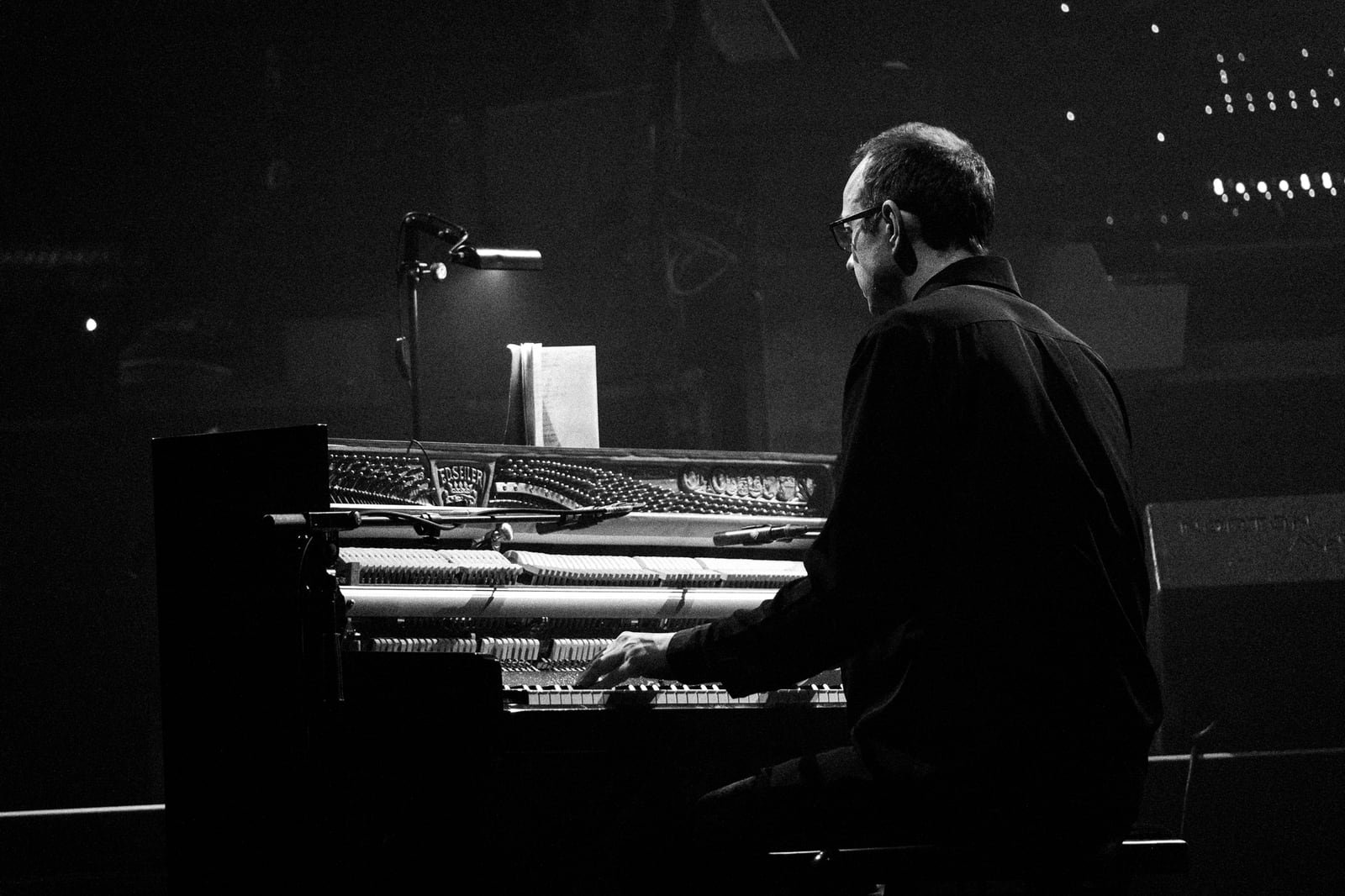
No school, no notation
You didn’t arrive at the piano first, or by the usual road: you started in software and sequencers, you don’t read notation, and you chose to explore the instrument on your own terms. “I hate the school system,” you’ve said, “people telling me how to play.” Coming to the piano late, and sideways, what did you learn to hear in it that a conservatoire pianist might walk straight past? Is there anything you now quietly wish you had been taught?
I’ve always been more interested in crafting my own music rather than collecting others. I want to explore music on my own terms rather than rehearse others’ creations. I want to discover new melodic ideas. Explore ideas that’s hard to categorize, though still sound familiar. To make something that is recognizable and characteristic of me.
People assume I know a lot about other pianists and piano music in general. I don’t. Of course, I appreciate artists like Nils Frahm, Keith Kenniff, Jan Johansson, Joep Beving, Chilly Gonzales, Olafur (to name a few of my favorites). I’m definitely inspired by other artists at the same time as I’ve “found my own way”.
The darker room
Alongside all this gentleness there is the other world: with Erik Skodvin, in Deaf Center, you’ve said you “enter a darker perspective of expression. Sinister yet beautiful.” The same hands make both. Do the darkness and the tenderness rise from the same place in you, and does either one make the other possible?
When I play with Erik, I explore another space. Almost exclusively improvised and darker. Erik was my portal into the solo piano world. Erik has always operated in the darker realms. The light shines extra bright there, though he can bring the light into it too.
I think it is very valuable to explore all forms of moods. Playing as Deaf Center is different but equally rewarding.
”the Lost” was found
You’ve said the memory of how a piece came into being “disappears like a dream”. Because you discover a piece rather than build it, there may be no map back in. So when you return to an old piece, do you have to find it again, almost as you first found it — and what is left of a piece you can no longer find your way into?
I have a piece called “the Lost” and it’s about exactly this question. I had started the composition long ago and forgot to record it. Suddenly one day I remembered it vaguely but couldn’t play it. I sat in front of the piano for many hours and struggled to find it again.
Suddenly it came back to me. I was so happy that it wasn’t lost. For a while I thought it was. I played it back exactly the way I first found it. Now I could complete and record it. “the Lost” was found. I have many similar experiences
I was so happy that it wasn’t lost. For a while I thought it was.
The space he is in right now
You’ve called a long break from the instrument “an important part of the creative process”. Most players are uneasy in the silence away from the keys. What refills during the not-playing, and do you return to the piano a slightly different person?
I do believe it’s an important part of the creative process. But I feel uneasy too. I’m in that space right now. The main reason I feel uneasy is because I don’t know when my inspiration returns. My gravitation towards exploring and finding new ideas.
Last year I’ve been rehearsing rather than working on new material. Right now, I don’t know what my next solo project will sound like.
Too much “heard similar”
You’ve been unusually honest about how much quiet piano music already exists: “why should I keep making something that is so ubiquitous?” — and, almost in the same breath, that you are “still confident that I have something of value to contribute”. How do you hold those two thoughts at once, the doubt and the conviction, without one silencing the other?
I think I contribute something that is easy to “resonate with” but hard to define. Each piece is a new idea or concept with its own character. Almost like an emotional puzzle that adds up and makes sense to me.
For example the piece Solêr, which has this repeated movement in the left hand and then the simple melody on the right that turns the repetition into something else. The two parts fit perfectly into each other and add depth that neither have on their own.
If I end up with an idea that is too similar to something already made, I’d rather scratch that and explore something else. That happens to me at times, of course. My point is: I think we have too much “heard similar” or “I can do that too” type of music.
I think we have too much “heard similar” or “I can do that too” type of music.
What the microphone changes
You’ve spoken about how different it is to play for a recording than to sit alone at home, and that one session left you unable to touch a piano for weeks afterwards. What changes in the room once the microphone is there? Is the closeness we hear on your records simply present, or something you have to reach for precisely because the moment is no longer private?
I care a lot for each piece and I know their potential. Often, when I record, I struggle with certain pieces and it can feel exhausting. After playing again and again, I lose connection with the piece. It’s like I can’t feel it anymore and I have to move on to the next. Then when I get back to it, it’s still a struggle for me sometimes.
At home, in a relaxing environment, that doesn’t happen. Being in a recording studio is a very different mentality for me. At home, I’m confident in my performance, but that sometimes disappears while I’m recording in the studio.
Melancholy, underneath
When people reach for the Norwegian fjords to explain your music, you’ve resisted it: “I could say the Norwegian landscapes and fjords, but it wouldn’t be completely true, even though they are part of it.” So let me ask it the other way round: if not the landscape, what is the truer thing your music is actually made of — and what noun would you give the feeling at its centre, if you had to name it yourself?
It’s hard for me to answer that, because I don’t think they are connected to anything in particular. It’s instrumental music and I don’t know exactly what emotion they carry. On my albums I often jump from one mood to another.
That said, I think melancholy is the underlying feeling in most of my pieces. Some are very vulnerable and others more confident.
True and unforced
Your compass, you’ve said, is “the search for something true and unforced”, and you only write “when inspiration hits”. That is a quiet faith that the music will arrive when it arrives. Has it ever stayed away for a long time — and what does it cost to keep trusting that it will come back?
The search for something true and unforced is exactly what I seek. That is among the qualities I appreciate in artistic expression in general. I particularly gravitate towards art that has a timeless quality. That which stays relevant through time.
I trust that inspiration will come back to me soon.
Listen
Three more, also his own choice: The Lost, Companion and Exin.
Where he would like readers sent: ottoatotland.bandcamp.com
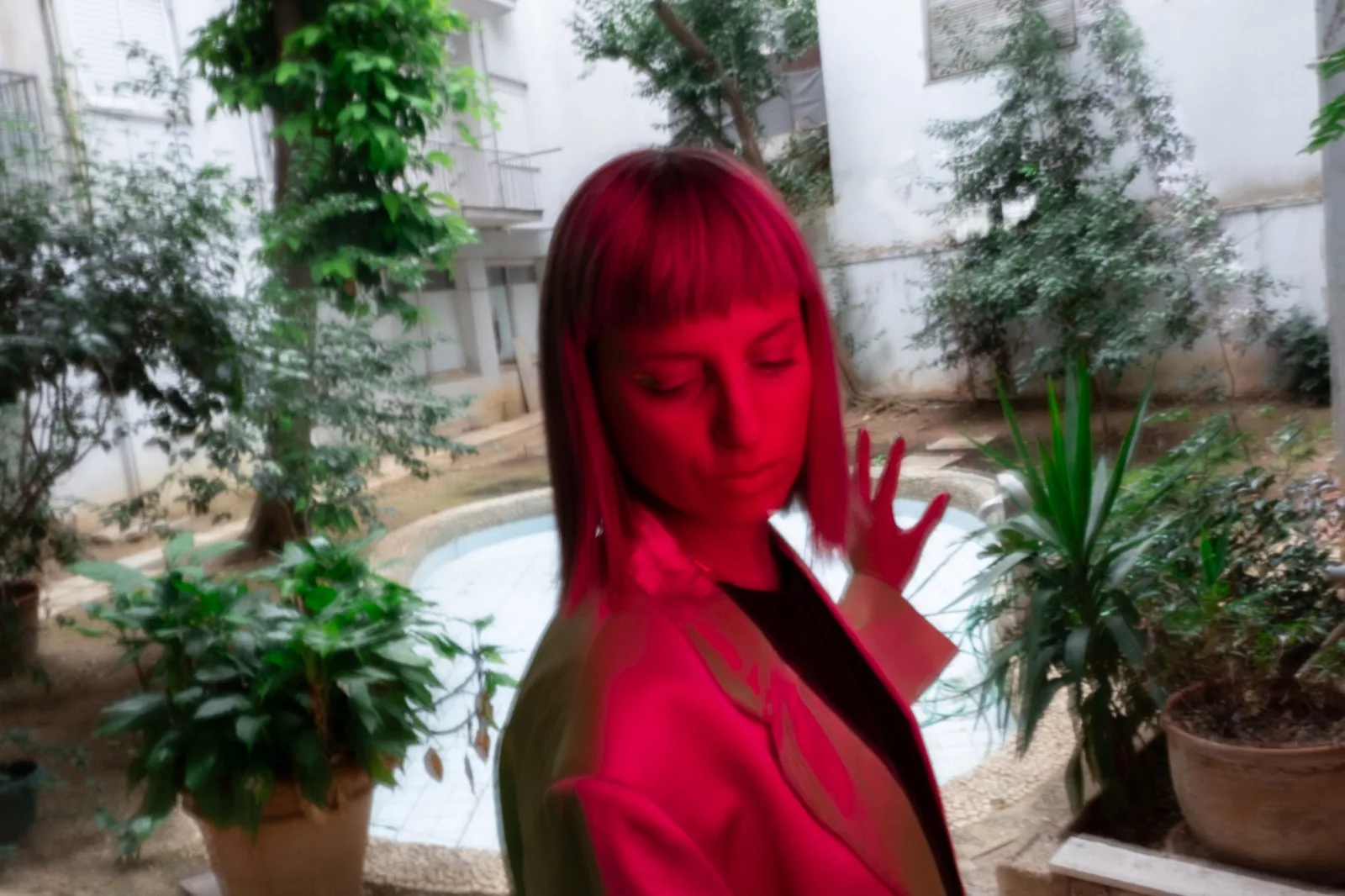
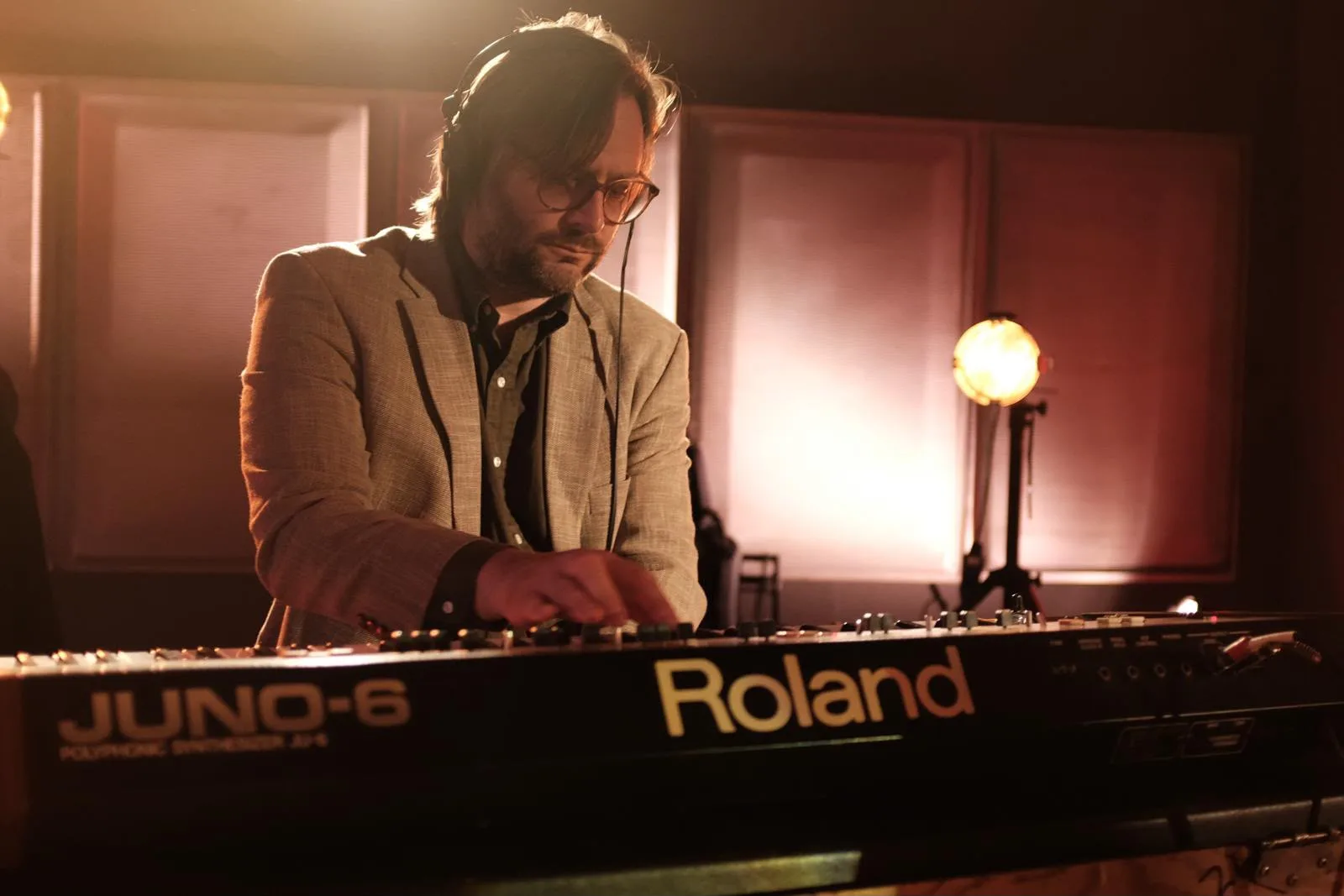
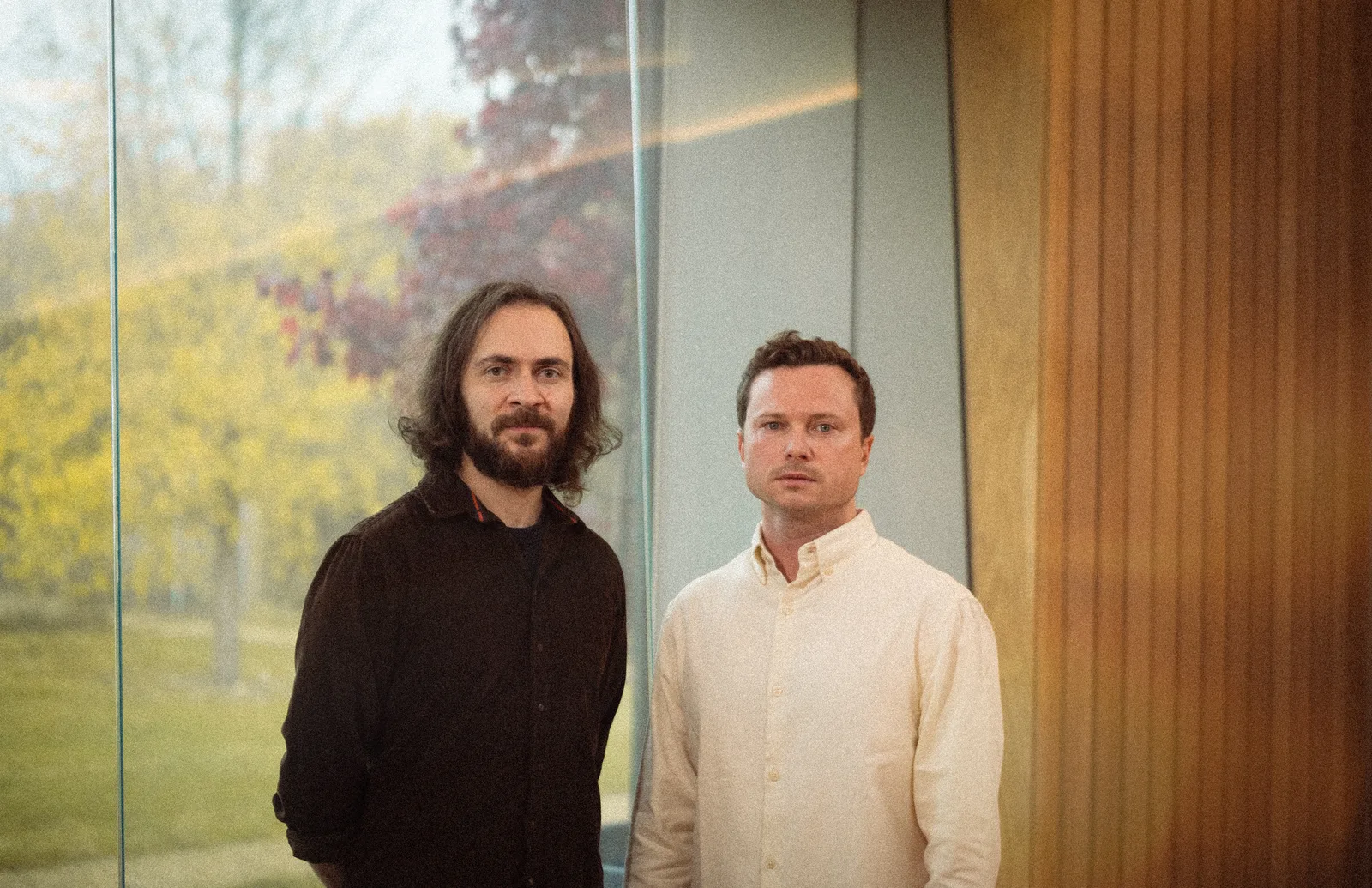
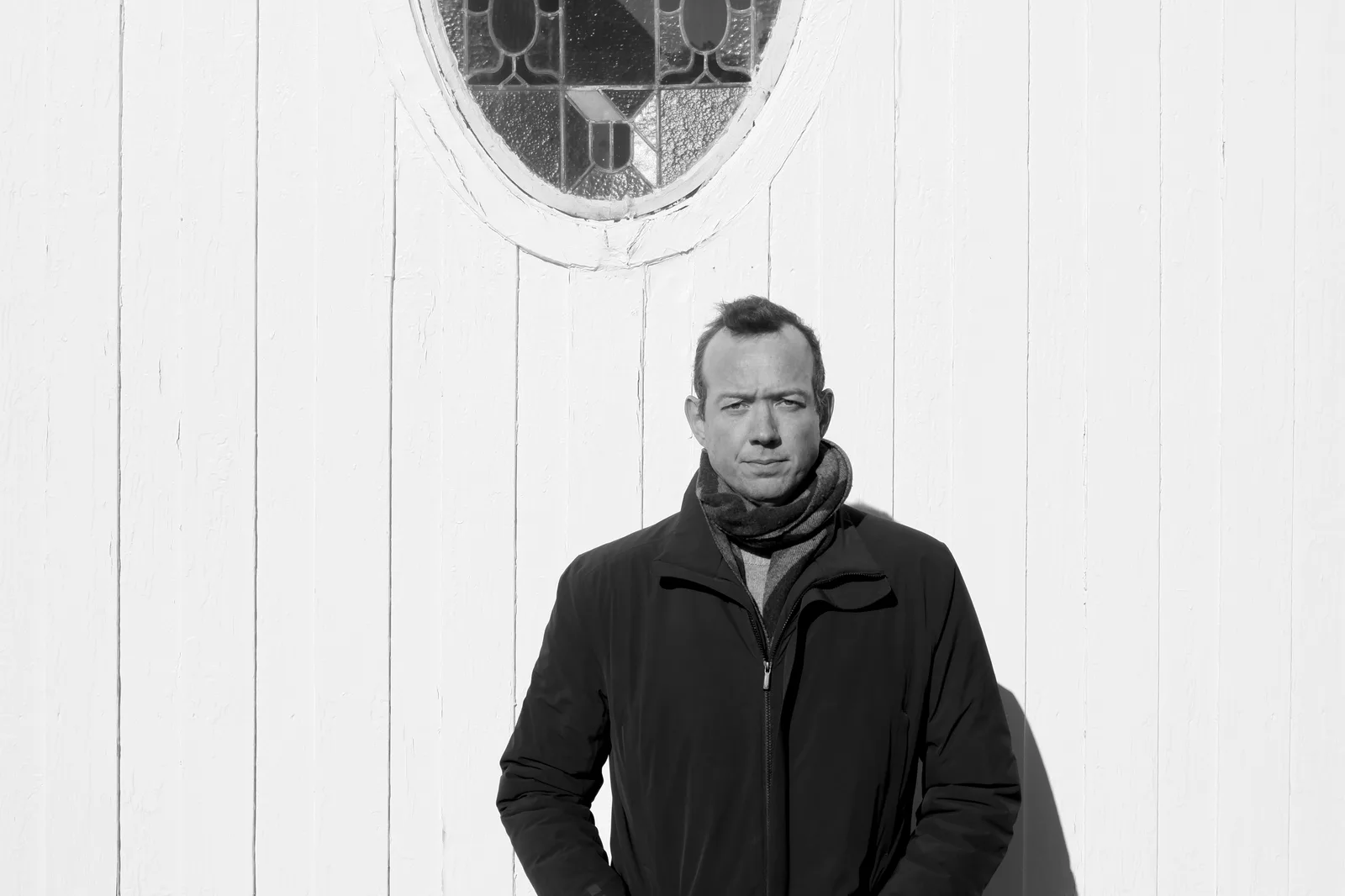
Photographs: Erik Skodvin (portrait) and Malthe Ivarsson (at the piano).
Continue reading
- Nils Frahm and the engineering of intimacy — one of the few pianists he names as a favourite.
- Silence in music: why a pause is not emptiness — on the pauses that do the work.
- Pauline Oliveros: listening as composition — attention as a discipline rather than a mood.