Figuren begins after the performance has already happened.
During the pandemic the Swiss pianist and composer Raphael Loher played ten intimate concerts in his own studio, each for one or two listeners, and recorded every one of them. The music was Keemuun, the composition behind his first solo album. Figuren is made from those recordings — but not directly, and not in one step. Later, during a residency in the Blenio Valley, he took the material apart: melodic elements deconstructed, single tones isolated, resonances drawn out and reassembled into new configurations. That first phase produced around thirty pieces. Playing them onto a Revox B77 tape machine, which shifted their pitch, and back into the computer produced roughly thirty more. The same long process also fed Hug of Gravity, released by Hallow Ground in 2025. Figuren came out on Präsens Editionen on 4 September 2026: eight pieces, numbered simply I to VIII.
That chronology matters, because it is easy to make the record sound like a technical exercise. Loher describes something less orderly. The small concerts changed the composition because the listeners changed the playing. The tape machine became useful because it removed the option of going back. Pieces survived or disappeared according to a feeling he had to learn to trust. Even distance from the piano, his primary instrument, became a way of deciding what in the music was worth carrying forward.
We sent him eleven questions and told him to leave aside anything that did not interest him. He answered nine. Our questions are printed as we asked them, including two premises that his answers make more exact: apart from its initial material, he says, Figuren has very little in common with Keemuun; and the thirty pieces came from only the first phase of the work.
A room that lets the listener into the piece
Keemuun was recorded during the pandemic, in your own studio, played for one or two people at a time. Playing for one listener is not a smaller version of playing for four hundred; it is a different job. What did that room ask of you that a hall does not?
I think that in these studio concerts, everything was more fragile and, above all, more permeable — so much so that the listener and their present state of mind had a far greater influence on me and the music than would have been the case in a larger space. It was always surprising to me how differently I played the same composition depending on the audience. Especially because the composition itself is very clear, these differences became all the more visible.
Since I recorded all the concerts and listened to them afterward, this feeling was repeatedly confirmed by hearing the recordings.
I think that during the pandemic, in particular, it was special to share this intimate space with different people, and I believe it also demanded something entirely different from the listeners than a large space would have. At that time, the piece wasn’t yet fully composed, so the physical proximity amplified the fragility and uncertainties. This often made it very clear which parts of the composition already worked and which still needed refinement. As a result, the concerts became a very important part of the composition’s development.
It was always surprising to me how differently I played the same composition depending on the audience.
What remains after a performance is dismantled
Figuren is built out of those recordings — performances that had already happened once, for almost nobody, and that you then took apart. What is left of a performance after you dismantle it? Is a piece on Figuren a new work, or a very slow way of listening to the old one?
The work on Figuren and Hug of Gravity took more than two years, and while it shares the same source material as Keemuun, it has undergone a profound transformation. I still perform Keemuun live, but the way I play it has changed significantly through my work on Figuren and Hug of Gravity. Apart from the initial material, Figuren has very little in common with Keemuun.
Distance from the piano
The album is described as marked by a deliberate distancing from your primary instrument. That is an unusual thing for a pianist to build a record out of. What did the distance let you hear that sitting at the keys did not?
During the lockdown and the months that followed, I spent more time with my instrument than ever before. Keemuun was also my first solo album, and after recording it, I felt I needed to take a break from playing. At the same time, I began engaging more deeply with visual artists like Sophie Taeuber-Arp, which inspired me to start working with the recordings of my concerts.
Even though I needed distance from my instrument, I still had a strong desire to create. Working on Figuren gave me the opportunity to evolve artistically without relying on my instrument.
Since this was my first project using samples and a tape machine, I didn’t have the techniques or knowledge I usually draw on when playing the piano. The core of the work, therefore, was rooted in listening and trusting my intuition. It allowed me to consciously decide which elements of Keemuun I wanted to carry forward and develop, and which I was ready to leave behind.
When one body of work becomes two records
The residency in the Blenio Valley produced something like thirty pieces, and they became two records — Hug of Gravity in 2025 and now Figuren. When a piece came out of that work, how did you know which of the two it belonged to?
The thirty original pieces were all created in an initial phase of work. After that, I played the pieces onto the tape machine and then back into the computer, which generated another thirty or so pieces. Figuren reflects more of the process of experimentation and discovery, while Hug of Gravity centers on the immersion and development of a specific idea.
All four pieces in Hug of Gravity are derived from one of the original thirty pieces, whereas in Figuren, each piece comes from a different source material. For about six months, I worked exclusively on Hug of Gravity, and only after it was completed did I return to the pieces in Figuren. In the end, though, it was simply a feeling that these were two distinct works.
The decision that cannot be undone
The fragments went through a Revox B77, which shifted their pitch, and were then digitised and reshaped again. The tape machine sits in the middle of a chain that is digital on both sides of it. What does that machine do that software would not do for you?
The tape machine continually surprises me — it has a life of its own. Especially when combined with the varispeed, it often felt like a search for the right tempo, one that somehow had to resonate with the previous recordings. Since I only had one tape available, I had to erase the old recording every time I wanted to add something new. This forced me to make decisions in the moment; I couldn’t simply revisit or repeat something later. In that sense, working with the tape machine felt much more like improvising with an instrument — just at a much slower pace.
In that sense, working with the tape machine felt much more like improvising with an instrument — just at a much slower pace.
Preparing the instrument, or discovering it
Preparing a piano is a decision made before a single note is played: you fix the sound of the instrument in advance and then have to live inside it. How much do you settle before you start, and what do you deliberately leave open?
When I perform Keemuun, I take a great deal of time and am very deliberate about how and what I prepare. Sometimes, I go so far as to realign the hammer heads of the respective piano. In other projects where I improvise more, however, I leave things more open and discover the preparation while playing.
What a title would add
Eight pieces, numbered I to VIII, and no titles. A title tells a listener where to stand. What would naming them have cost you?
I think giving each piece an individual name would have added something that wasn’t there.
For my last three solo albums, defining a clear starting point was a crucial part of the creative process. This initial step establishes a foundation that is essential for the direction of my work. All the pieces emerge from this starting point, which connects them.
Trusting the piece that still resonates
Thirty or so pieces became eight. I am more interested in the ones that did not make it than in the ones that did: what does a piece have to be doing wrong for you to leave it behind?
It’s actually very simple — ultimately, it all comes down to a feeling. During my residency, I would work on the same pieces for about a week, then set them aside for one or two weeks. If, after listening to a piece with some distance, nothing resonates within me, I stop working on it. The truly difficult and demanding part, however, is trusting that feeling. For me, a crucial part of being an artist is developing and refining that intuition.
The truly difficult and demanding part, however, is trusting that feeling.
When decay becomes material
Isolating a resonance means treating the tail of a note as material rather than as something that merely happens after the note. When did decay stop being a consequence for you and become a subject?
I think it has been and still is a long process in which my listening is constantly evolving. The more I am able to hear and perceive, the more things become part of the music. I think that, while working on this album, it was, among other things, the decays at the end of the piece Keemuun IV that kept fascinating me and led me to make my first attempts at producing a piece made entirely out of decays. In the end, however, nothing came of that piece.
What is carried forward
There is something revealing in that last piece, the one made entirely of decays that came to nothing. Figuren is a record built from material that survived several acts of selection: a performance heard again as a recording, a recording taken apart into fragments, fragments changed by tape, pieces set aside for a week or two so that they could be heard again from a distance. Loher does not set intuition against discipline. He describes it as something an artist has to develop and refine — and then, which he calls the harder part, to trust.
The record begins with one or two people in a room. It ends with the artist deciding, again and again, what to carry forward and what he is ready to leave behind.
Listen
His own choice of video: mos2, Lucerne, 2023, from his YouTube channel.
Where he would like readers sent: raphaelloher.com.
Figuren is out on Präsens Editionen on vinyl, as a download and for streaming: Präsens Editionen · Bandcamp.
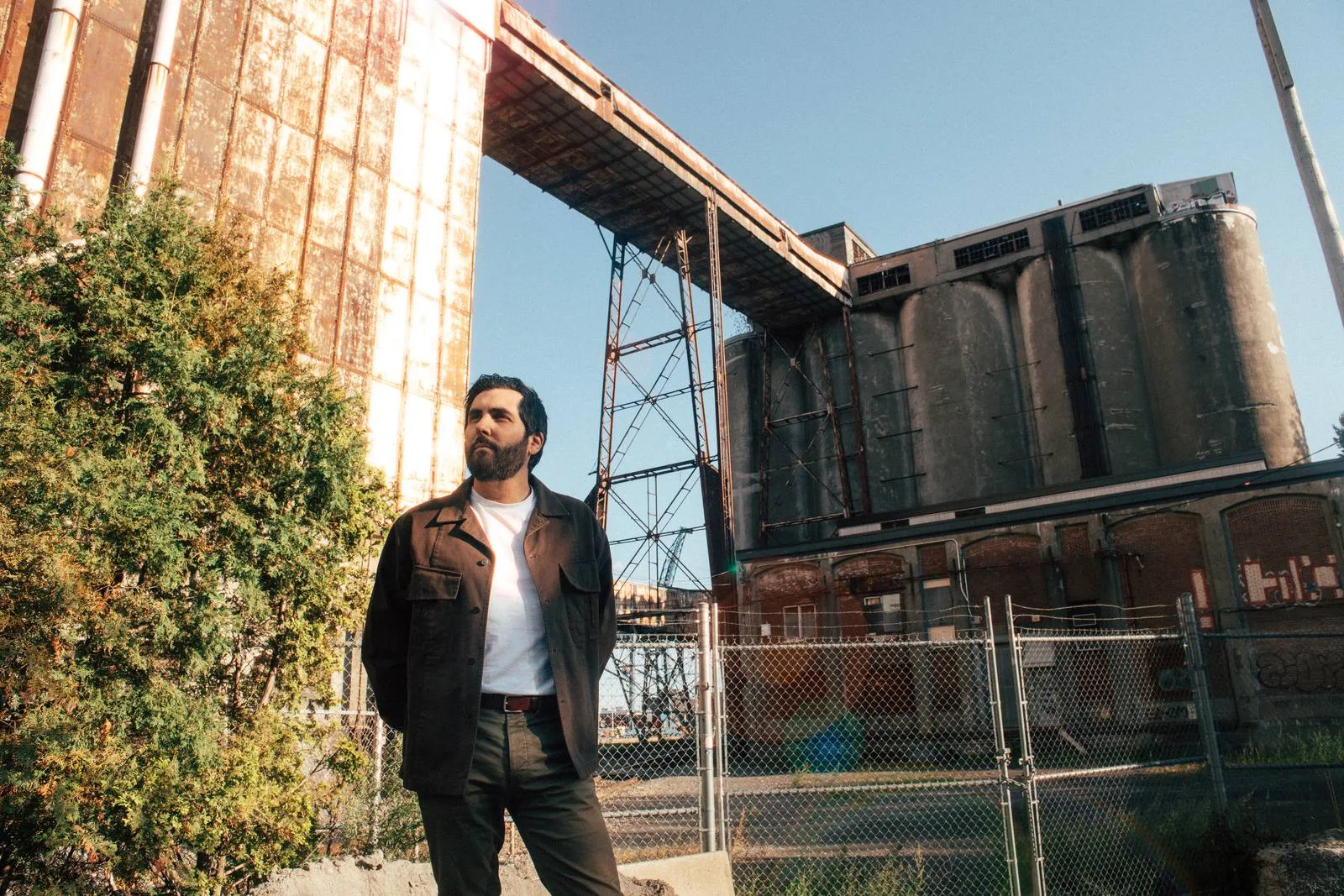
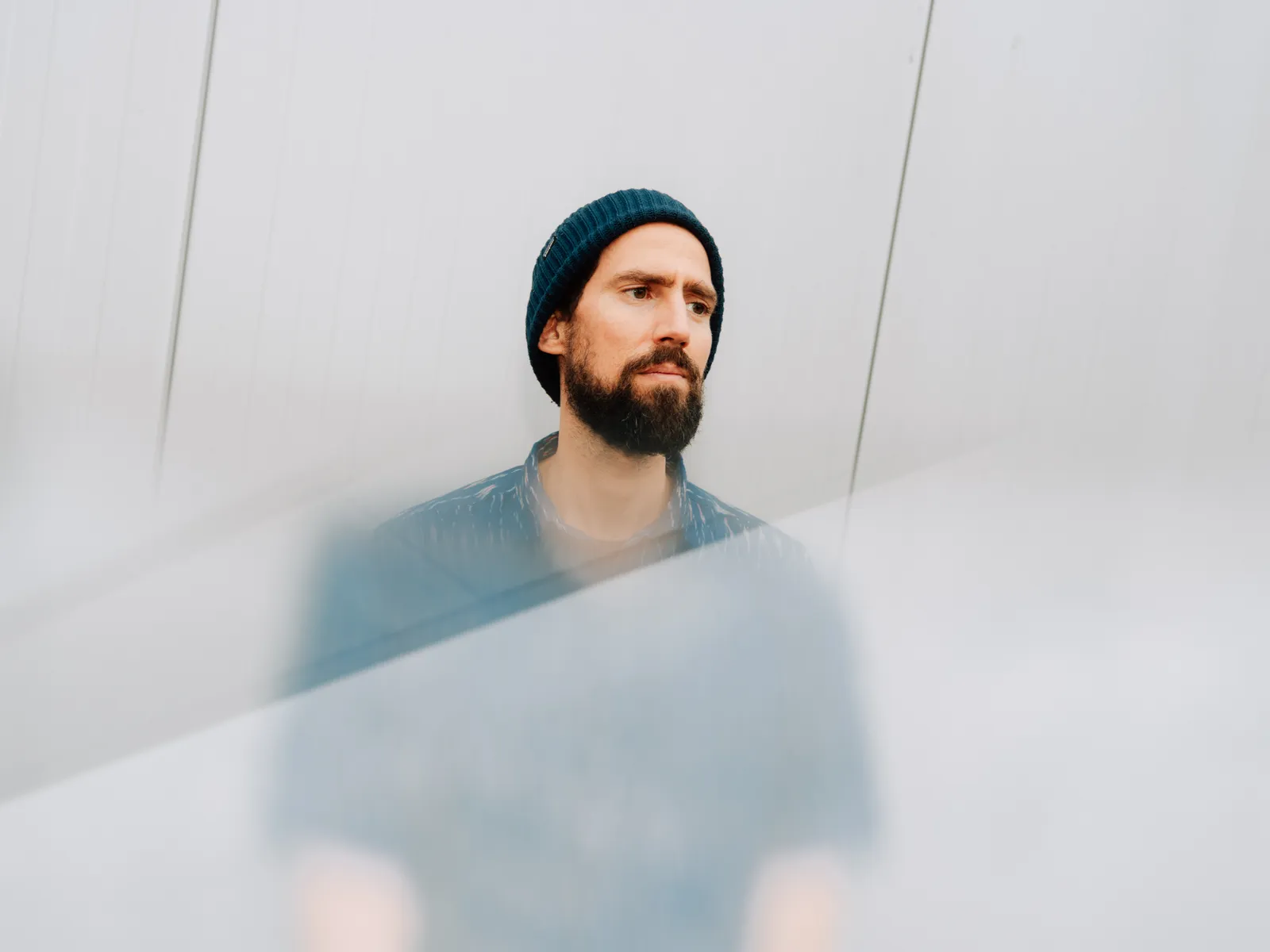
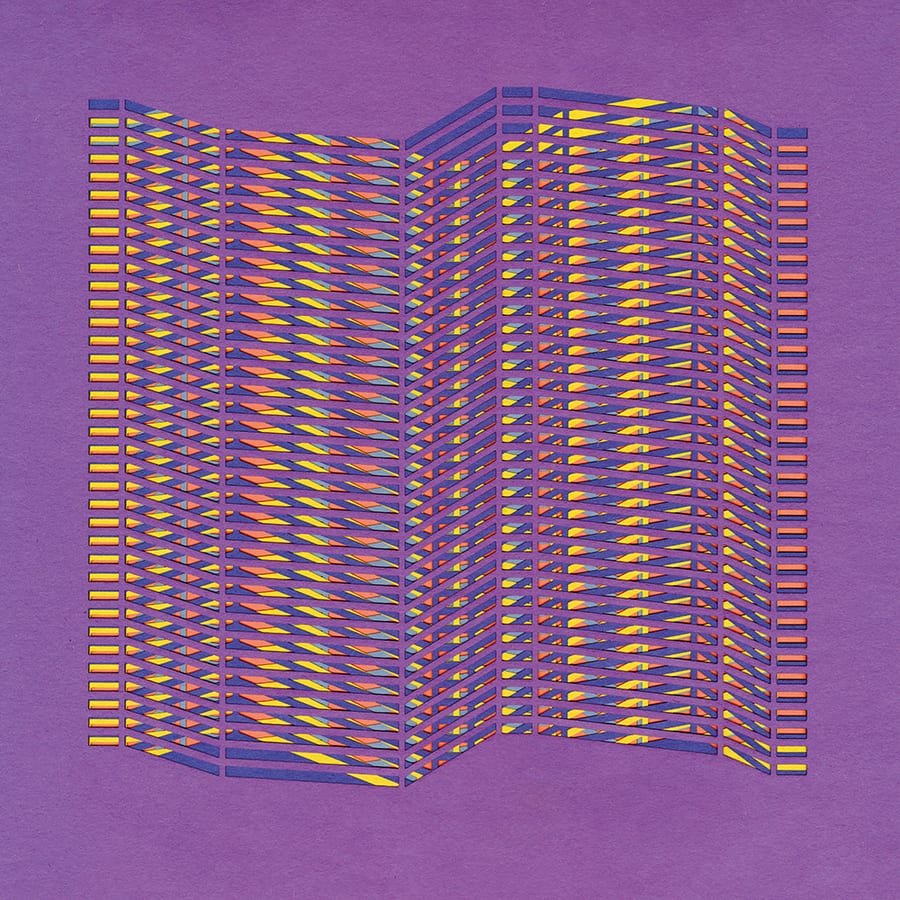
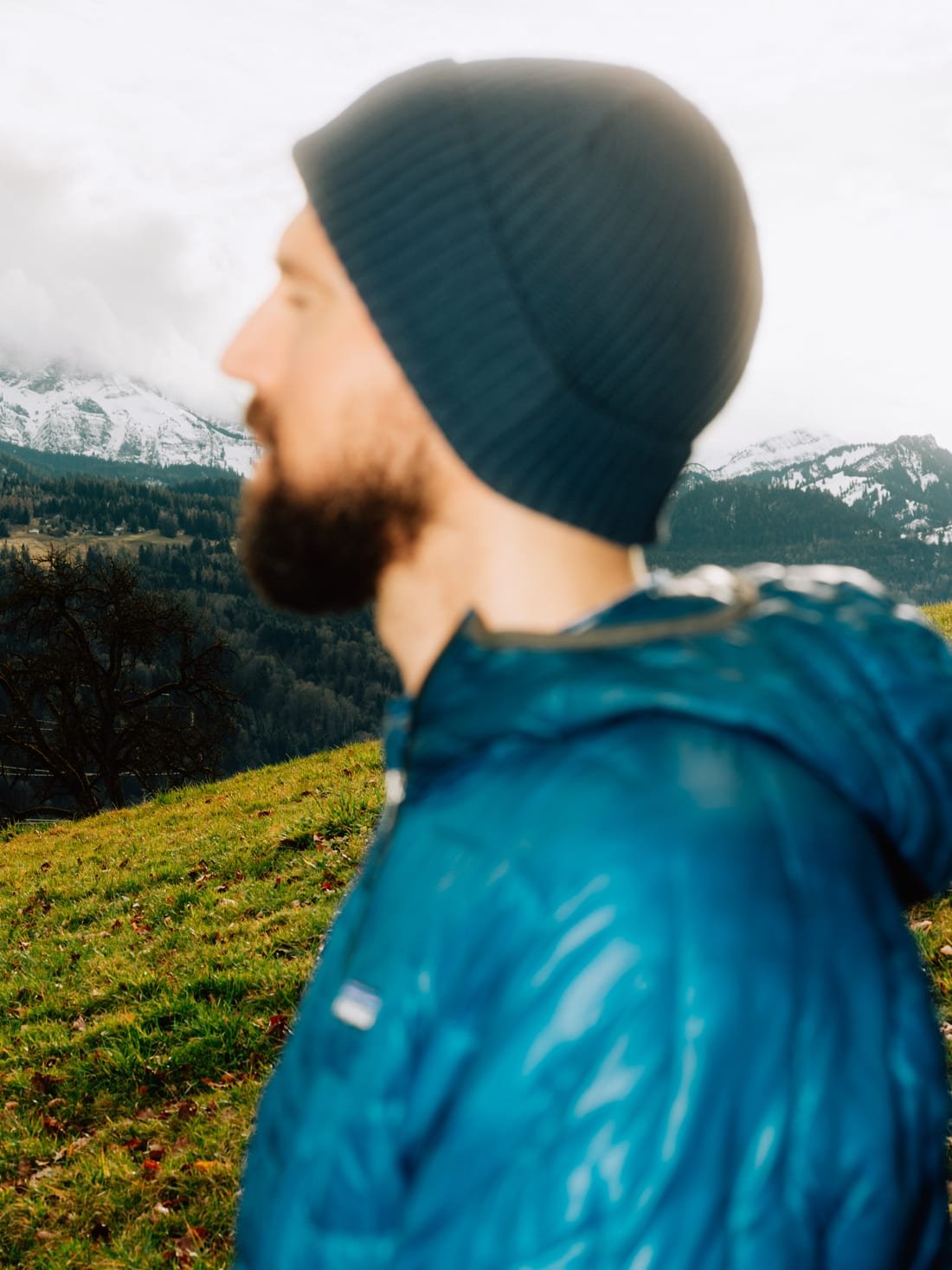
Photographs: Sam Aebi. Cover artwork: Mykola Haleta.
Continue reading
- Otto A. Totland: I was the first to present them in this reality — another pianist on a piece he had to find twice.
- Silence in music: why a pause is not emptiness — on what the space around a sound is doing.
- Why slow music reaches deeper than it seems — the research on what slow listening does, and where it does not help.