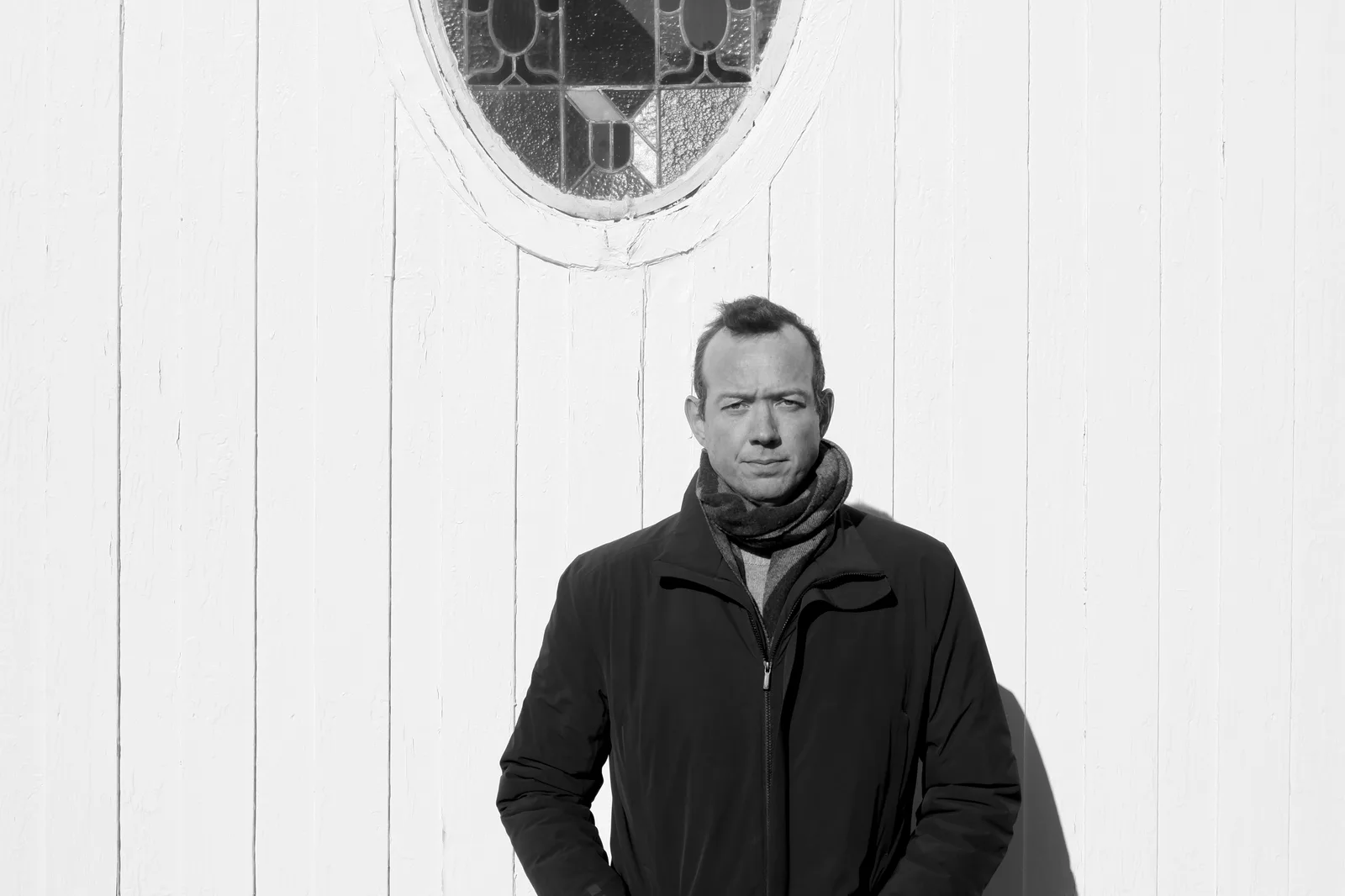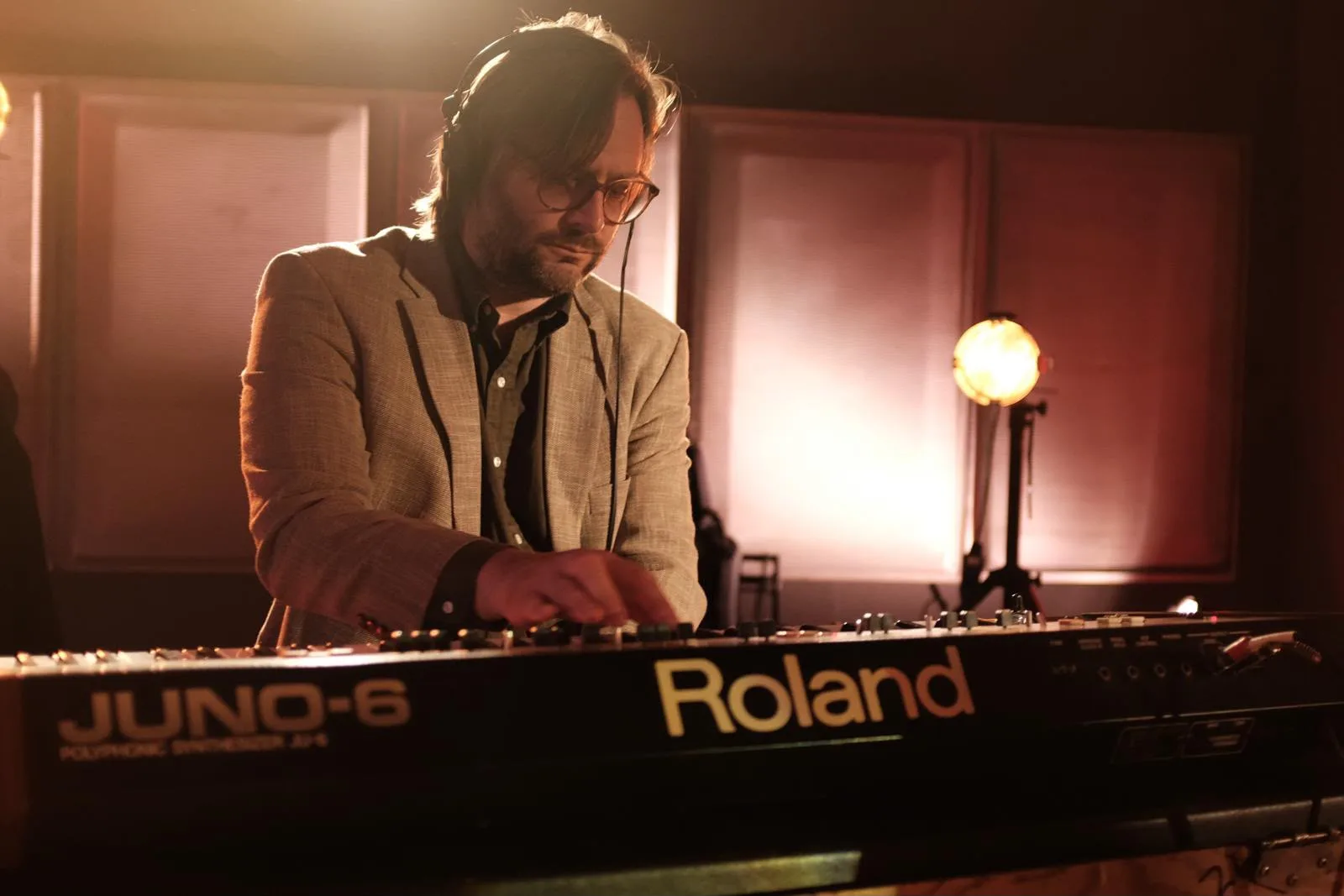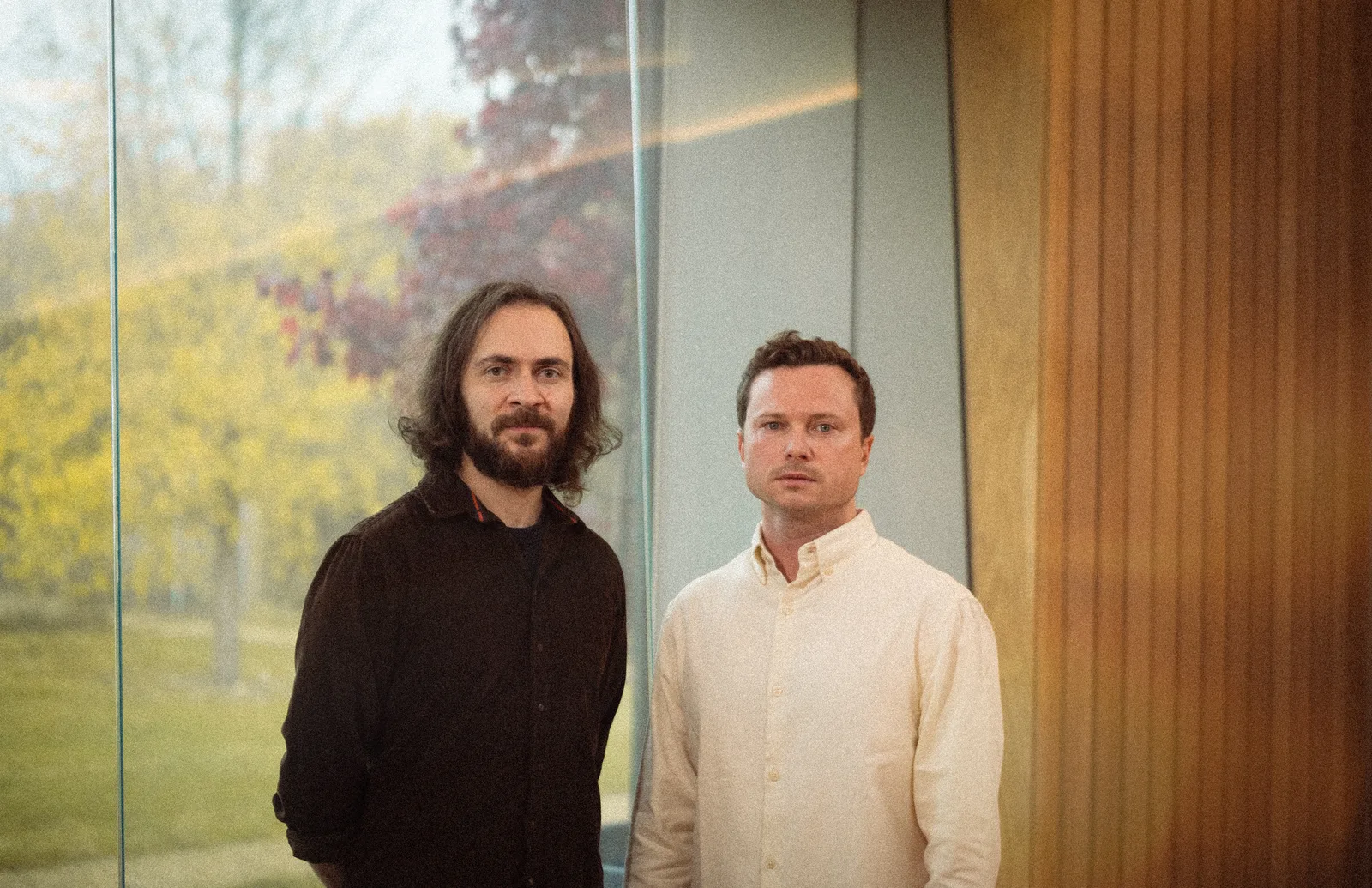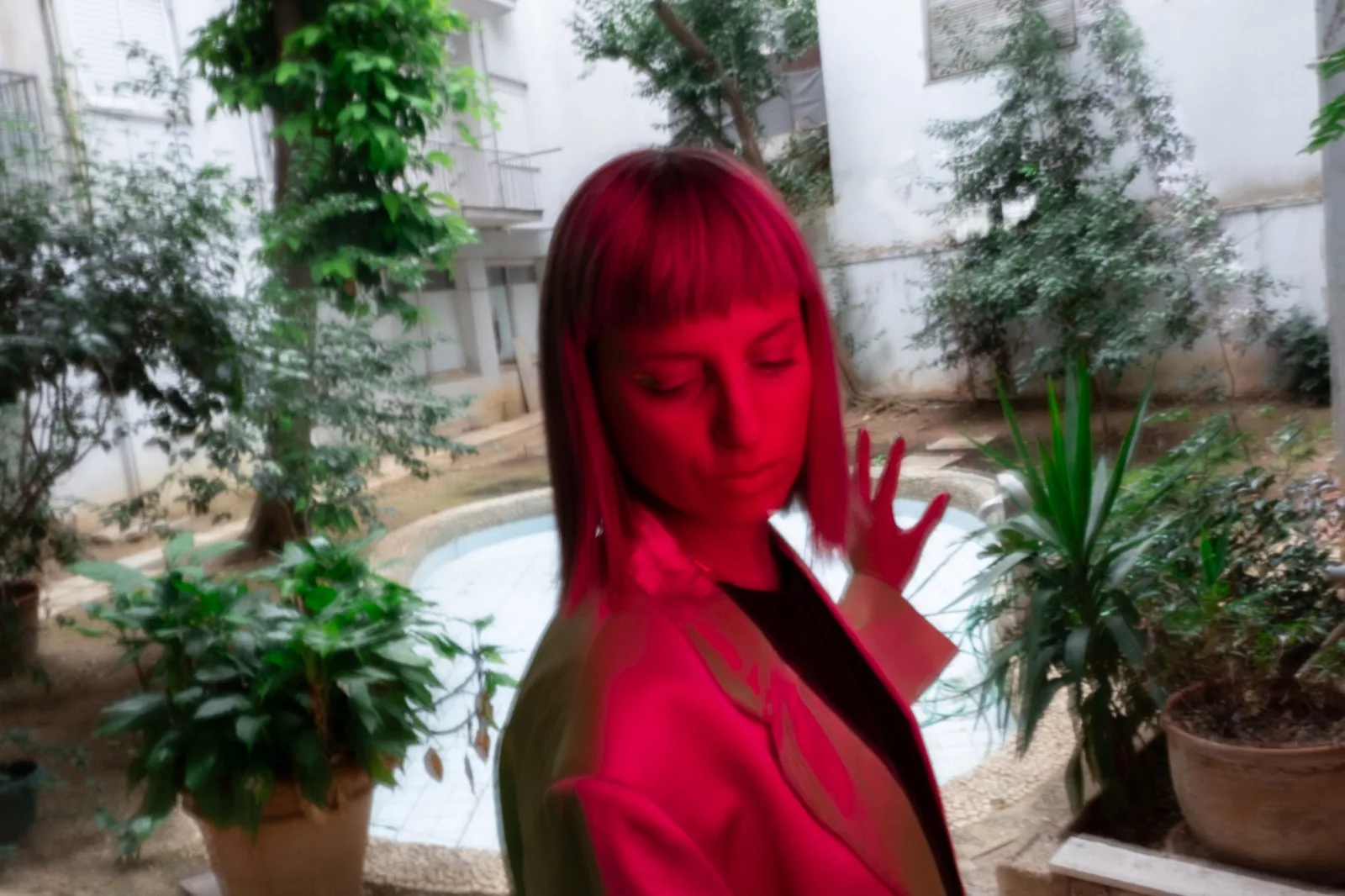
Place keeps returning in Maria Chiara Argirò’s music. Hidden Seas turned toward the sea; Forest City built a dialogue between organic and industrial sound; on Closer, her most recent album, her own voice moved from the edge of the arrangement toward its centre.
She has lived in London for over a decade, having moved from Rome to become a musician. She describes the city as one of the forces that kept her searching for a sound rather than a genre: jazz, classical and electronic musicians crossing one another’s paths, influences arriving from everywhere, Italian roots still present underneath. Her own formulation is simpler than any category — with every record, she is trying to find a sound.
On Closer, that search became more exposed. Argirò says that putting something personal into the world without irony leaves nowhere to hide if people do not connect with it. She would rather accept that vulnerability than make something safer that does not speak to her.
Anything can become a toy
For years the piano did all your speaking; on Closer your own voice moves to the front. You’ve said it took you a while to accept that voice, and that singing became “like collaborating with myself”. What made you want to give your voice its own place — and what can it say that the piano, for all it says, cannot?
The piano will always be my first “home” to go to, it’s where I will always feel grounded. As a child though, I used to sing in choirs too, but I never thought I’d end up on stage singing my own music… it happened naturally. Like a lot of musicians, I’m very self-critical, especially about my voice, but I’ve learnt to let go and just be as honest and sincere as possible. That can happen through piano, vocals, synths, guitar, I like to think that anything can become a toy, a medium of expression, and your deepest collaborator.
I like to think that anything can become a toy, a medium of expression, and your deepest collaborator.
A world I like to live in
Your records are places before they are songs — the sea of Hidden Seas, the dialogue between the organic and the industrial on Forest City. You’ve spoken of trying to imagine and build a world you’d want to spend time in. When you begin a record, do you build the place first and let the music furnish it, or does a single sound open a door and the place appear behind it? When a piece of music becomes somewhere real, what does it hold that a field recording of the actual place would miss?
I actually never plan anything before writing music. Sometimes the writing comes from a “dialogue” with the instruments, the experiments searching for sounds that are inspiring me in a certain period of time and the beauty of making music is that these sounds end up creating a world. Other times I’m inspired by life events, movies, books, exhibitions I go to, people I meet or play with… all things happening around me, and the music becomes an answer to that. Either way, it’s still building a world I like to live in, one that could be surreal, beautiful, weird, inspiring or surprising that reflects a photograph of a period of time.
Nowhere to hide
You’ve said that “there is so much noise in this world”, and that the answer, for you, is “being direct, gentle, light, open and connected”. To be direct and open is a kind of exposure — it means letting people see exactly where you are. In a scene and an era that so often reward irony or armour, what does it cost you to make music that stands there that openly, with nothing ironic to hide behind?
I think the music I make and play comes from years of dedication and love for music, and for some reason that’s the music that speaks to me at the moment. Being that direct does cost something, there’s nowhere to hide if people don’t connect with it, and it can feel exposing to put something so personal out without any irony to soften it. But I want the music to reflect who I am, and I’d rather risk that vulnerability than make something that doesn’t speak to me just to feel safer. I do think, though, and often repeat this to myself… that I’m so lucky to have found this connection with music, it’s so much fun to create, and such a laugh to play and connect with other human beings.
I’d rather risk that vulnerability than make something that doesn’t speak to me just to feel safer.
A sound, not a genre
You’ve said “it’s not my goal to be genre-less, but I think my music has become that”, and that “music needs freedom to be completely honest”. Genre is how most listeners find their way to a record. When you set it aside, what do you give them to hold on to instead? When someone admits they don’t know what to call your music, how do you take it?
I want them to feel something, maybe to meditate on certain things. You can call my music whatever you like, really; it’s hard to describe it, it’s definitely influenced by listening and being inspired by loads of different types of music, but my goal is always to find a sound rather than a genre with every record I make. Names and genres mostly come from how a record gets marketed, and from needing some way to define things for people. But ultimately I care whether the song moves you, inspires you, makes you think, or makes you weep or smile.
Entering other people’s worlds
You move constantly between your own records and other people’s worlds — guesting with These New Puritans, playing in Kinkajous, building beats in Moonfish. As a composer used to writing every part, what is it like to hand that control over and serve someone else’s world for a while? And does spending time in music unlike your own quietly feed the worlds you build on your own records?
I love it. I love collaborations, I love entering other people’s worlds. I definitely think every person I’ve played with, recorded with, or co-written with has influenced my musical world. It teaches me to serve the music, and that music comes always first.
It teaches me to serve the music, and that music comes always first.
Maybe it’s a London thing
You left Rome for London to become a musician, and you’ve said it would be “almost impossible for me not to write a different sort of album when I’ve been exposed to so much music”. Your music’s refusal to sit in any one genre seems bound up with that particular room — London’s scene, where jazz, classical and electronic players are always in each other’s ears. Could the music you make have come from anywhere else? Or is being this hard to categorise, in the end, a very London thing?
Maybe it’s a London thing. This city has always had so many musical influences, so many people coming from all over the world, so much has happened here musically, and not just in London of course, in the UK more broadly. I’ll always carry my Italian roots with me too in my music, perhaps in certain melodies… but I would say that London inspired me to keep searching for a sound and my own vision, although it’s an endless search and dive.
Listen
And a second, also her own choice: Live at Trabendo, Paris.
Where she would like readers sent: mariachiaramusic.com and mariachiaramusic.bandcamp.com.
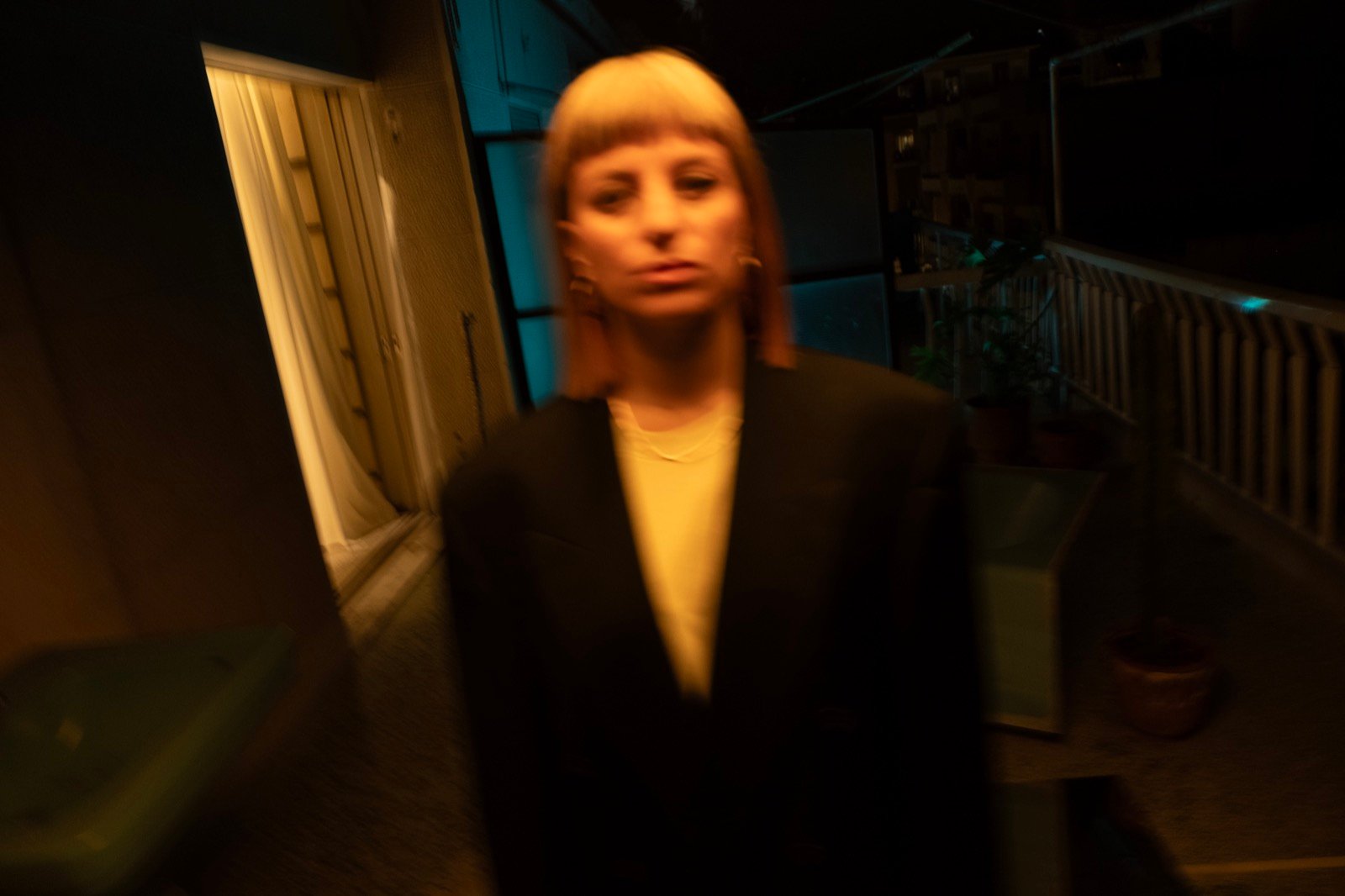
Photographs: Dimitris Lambridis.
Continue reading
- The grain of the voice: Barthes in the age of Auto-Tune — on what a voice carries that is not the words.
- Jazz as an open method — improvisation, individuality, the room — genre as a way of working rather than a shelf.
- Murmurwood: when ethnic memory meets electronic pop — another record that refuses to sit still.