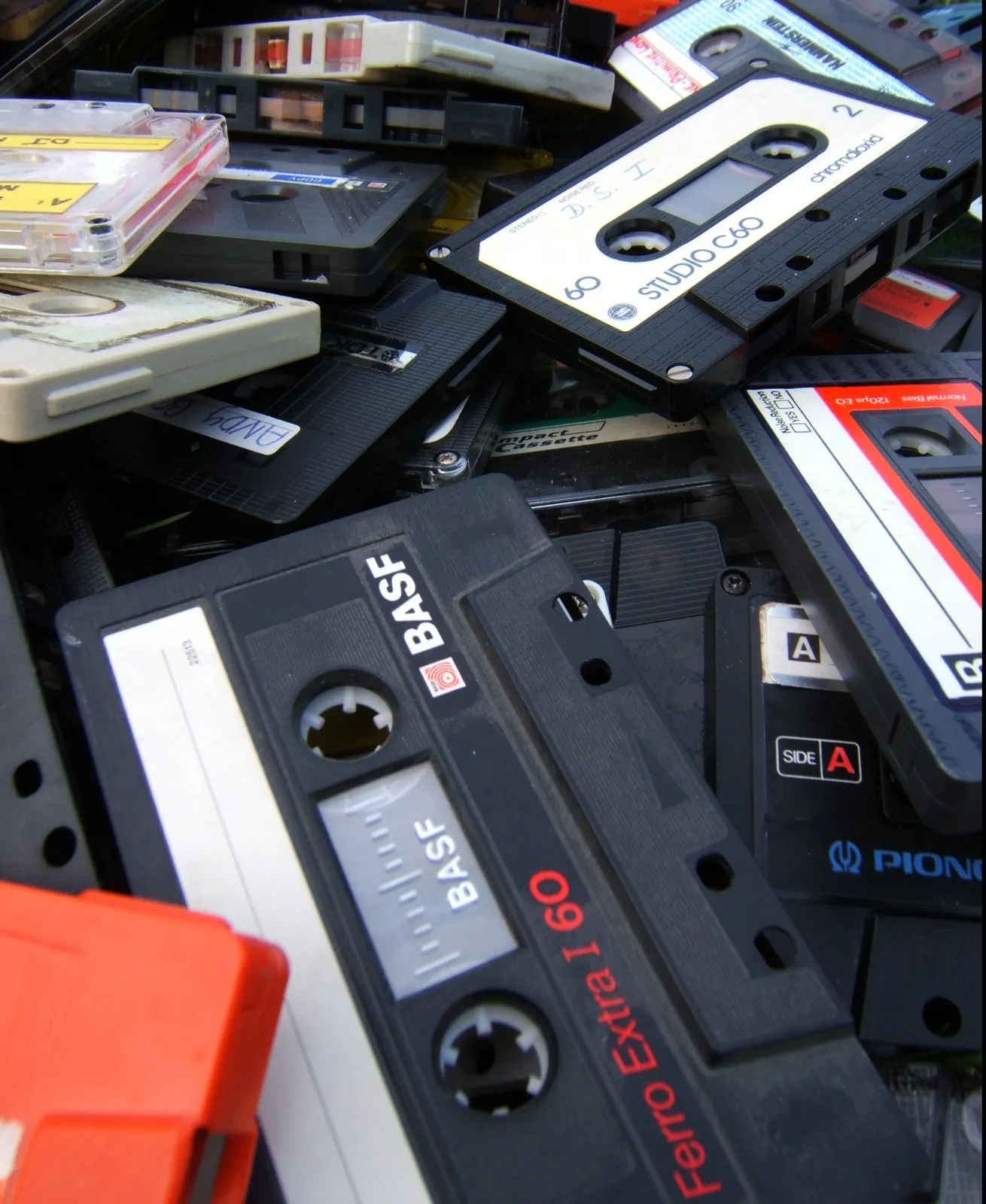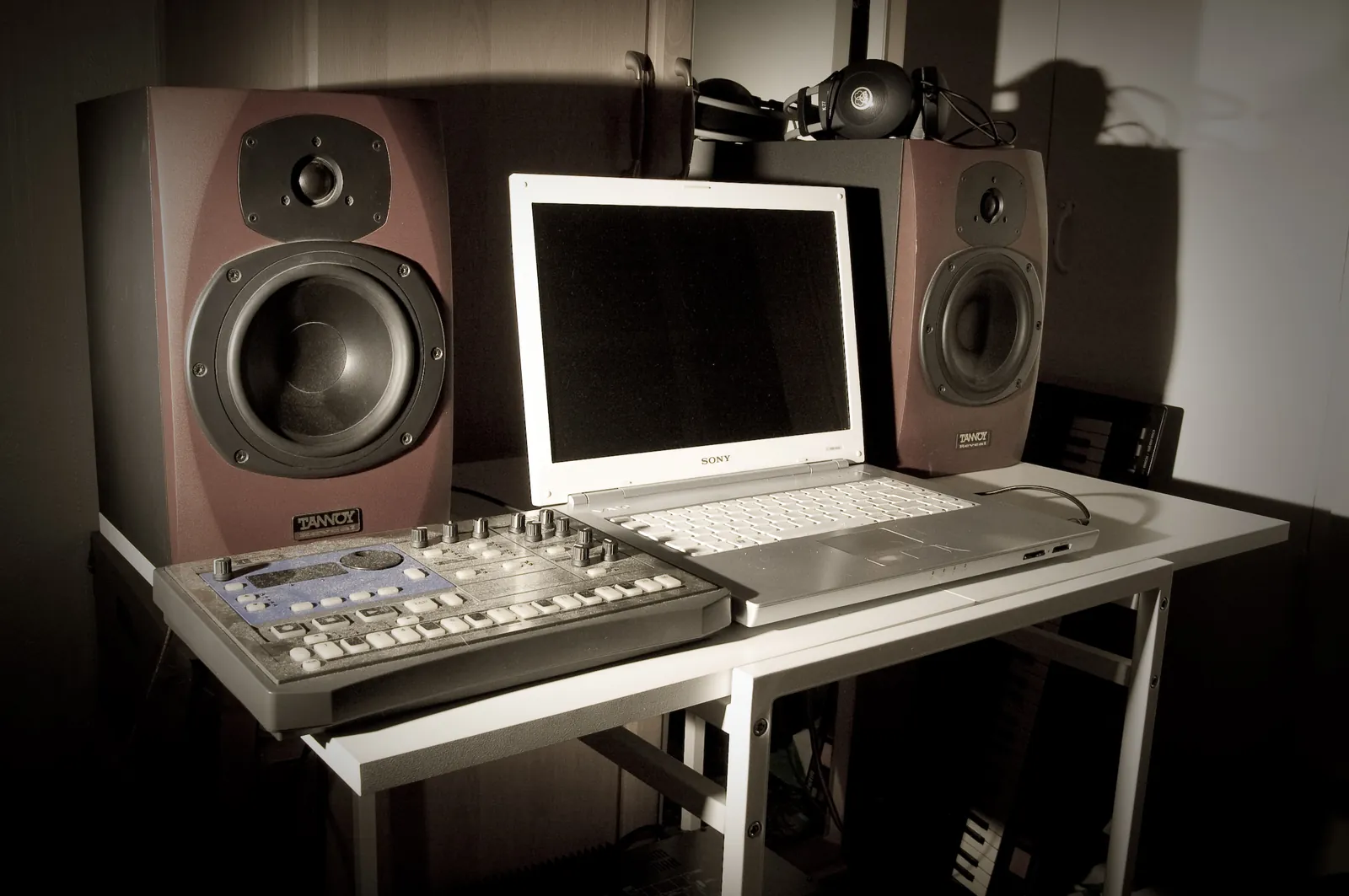
Lo-fi has become almost a symbol of contemporary work: beats to study to, coding music, reading playlist, deep focus. The reasonable scientific reading has to be more careful than the genre branding. Lo-fi does not help because the genre label has special powers. It helps because well-chosen lo-fi tends to share a set of structural features that suit background listening — no lyrics, fair amount of repetition, emotionally warm, mid- to low-intensity, stable rhythm, few sudden changes. Those features matter for attention; the label is incidental.
That distinction is worth taking seriously, because it changes how you choose music for actual work.
What lo-fi actually does to the mind
A direct lo-fi study with young adults reported reductions in state anxiety after listening, and participants described the music as helping interrupt intrusive thoughts and promoting relaxation, sleep, and more positive states. That is not a productivity claim. That is a regulation claim — and regulation is, for most working adults, the gateway to focus.
For reading, the most useful question is not music or silence? but what music, and which reading task? A 2024 study on background music and reading comprehension found that pop music with lyrics impaired comprehension, especially when the lyric language matched the language of the text. That fits a basic principle of cognitive psychology: reading is a semantic operation, and song lyrics compete with the text for the same linguistic resources.
A larger systematic review covering 95 papers and 154 experiments found a general pattern: background music more often hurts memory and verbal tasks than helps; music with lyrics is more damaging than instrumental music. But — and this caveat is the part most people miss — the size of the effect was usually small, and the result depended heavily on task difficulty, music features, and the listener. There is no universal “music for work”. There is only fit.
This is where lo-fi becomes interesting. A Journal of Cognition study had students perform memory, reading, and arithmetic tasks while listening to silence, instrumental music, or music with lyrics. Music with lyrics impaired verbal and visuospatial memory and reading comprehension. Instrumental hip-hop / lo-fi did neither: it neither reliably improved nor reliably impaired performance. That sounds like a weak finding, but for practical use it is very strong. Lo-fi is, more reliably than other genres, a low-risk background — especially compared with lyric-heavy pop.
Coding is not reading
The coding case is different. Programming includes several modes: linguistic-logical thinking, rhythmic execution, debugging, creative design. The same person needs different music in each of them. In Lesiuk’s well-known study with 56 software developers across four Canadian companies, music at work correlated with better positive affect and higher work quality. When music was removed, work quality and positive affect dropped, and time-to-completion rose. The developers themselves described the music as helping them shift mood and sustain perceptual-design work.
That fits the broader research picture: the main path from background music to better performance runs through mood and arousal, not through “music makes you smarter”. A Scientific Reports study found that preferred background music reduced mind-wandering, increased task-focus, and improved reaction times during a vigilance task; the effects were mediated by mood and arousal. Music helps when it lands in the right activation band — not too sleepy, not too chaotic, pleasant enough to keep the head in the room.
Even music explicitly marketed as “focus music” follows the same logic. A PLOS One study compared work flow, deep focus, pop, and office noise during an attention task. Work flow improved mood and reaction time over time, and the authors concluded that effective background music has to be not only pleasant but also sufficiently activating. Deep focus tracks were pleasant but less activating; pop was activating but inconsistently pleasant. The activation/pleasure pair, not the marketing label, is what matters.
Lo-fi is not a productivity drug. It is a stable background that protects work from worse alternatives.
Try it as you read this
Here is a lo-fi radio recording that fits the profile sketched above: instrumental, predictable, mid-tempo, no sharp surprises. Open it in a tab, set the volume one notch lower than feels right, and notice — over the next twenty minutes — whether it ends up holding the attention you wanted to hold. Most listeners find that the answer is yes, and that the discovery is more boring and more useful than the genre’s online aesthetic suggests.
When silence still wins
The point is not to oversell lo-fi. Reading dense, conceptually difficult text — academic philosophy, statistics, a contract — is the situation where even instrumental music can be too much for some people. Debugging a subtle bug, learning a brand-new framework, sitting an exam are similar. In those moments, silence is not boring; it is the highest-precision setting your work has access to.
The honest rule of thumb is simple. The more linguistic and logical the task, the less the music should have words, surprises, or intensity. The more physical, routine, or emotional the task, the more music can help.
Lo-fi sits in the middle of that scale, on purpose. That is its strength. It is calibrated for the long stretch of work that is neither maximum precision nor pure rhythm — the writing, the routine coding, the email triage, the design pass, the slow read. For all of that, it does quietly what stronger music cannot: it holds the room together without taking it over.
Sources
- Lo-fi listening and state anxiety in young adults — reductions in anxiety, intrusive thoughts, and improved relaxation/sleep self-report.
- Background music with lyrics and reading comprehension (2024) — lyric-language match worsens comprehension.
- Systematic review of background music effects, 95 papers, 154 experiments — small effects on average; lyrics worse than instrumental.
- Journal of Cognition — instrumental hip-hop/lo-fi as low-risk background vs lyric-heavy pop.
- Lesiuk, T. The effect of music listening on work performance. Psychology of Music.
- Kiss, L., & Linnell, K. J. (2024). The role of mood and arousal in the effect of background music on attentional state and performance during a sustained attention task. Scientific Reports, 14, 9485. doi.org.
- Work flow vs deep focus vs pop vs office noise on attention performance — PLOS ONE.
- Hero photo: “Bedroom studio with laptop and monitors” by Gerald Moore, via Wikimedia Commons, CC BY 2.0.
Continue reading
- Why slow music reaches deeper than it seems — the regulation side of the same coin.
- Silence in music: why a pause is not emptiness — when even lo-fi is too much.
- Why complex music sharpens creative listening — what happens at the other end of the difficulty spectrum.